The succession
Heads of the House
Thirty generations of the headship, from 985 to the present day
The Ancestry page carries everybody — brothers, sisters, wives and children. This page carries one thread only: the headship, one man to each generation, from the castle above the Aare to the family living now.
It begins at Radbot, who raised the house the name came from. It does not begin earlier: the generations behind him are set out, with their uncertainty stated plainly, under Before the castle.
Where a likeness survives it is shown beside the name. Ten of the thirty have one. For the rest there is a number and nothing else, which is its own kind of answer.
The Aargau
985 – 1273 · eight generations of counts in a corner of what is now Switzerland. A castle, an abbey, and a patchwork of rights. Almost none of it would have been noticed outside the valley.
- 1Radbot I985 (traditional) – 1045
Raised the castle above the Aare and, with his wife Ita, founded the abbey at Muri — the family’s own monastery and its earliest burial place. No document gives his birth year; 985 is the family’s traditional date and is marked as such. His one contemporary appearance is a diploma of Henry II, 29 October 1023, which speaks of “the county of Count Radbot”.
- 2Werner I1025 – 1096
- 3Otto IIdied 1111
The first person called “of Habsburg” in an original document — Otto comes de Havichsberch, at Pressburg, 29 September 1108. Murdered 8 November 1111 and buried at Muri.
- 4Werner IIattested 1129 – 1167
Witnesses a charter of King Lothar III as a count in January 1129 and is Landgrave by 1135. His birth year is not known.
- 5Albrecht III1144 – 1199
- 6Rudolf II1160 – 1232
- 7Albrecht IV1200 – 1240
The crown, and the move east
1273 – 1519 · a Swiss count is elected king, takes Austria within five years, and within a century and a half the family has lost Switzerland altogether and become Austrian instead.
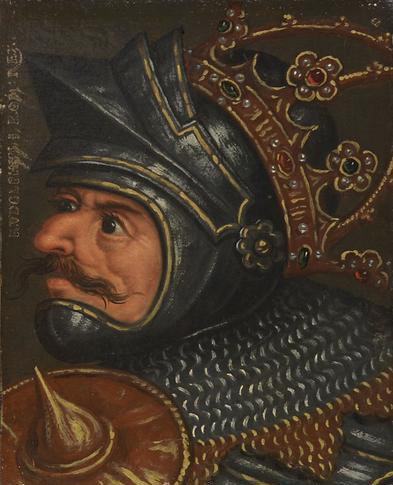 8Rudolf I1218 – 1291
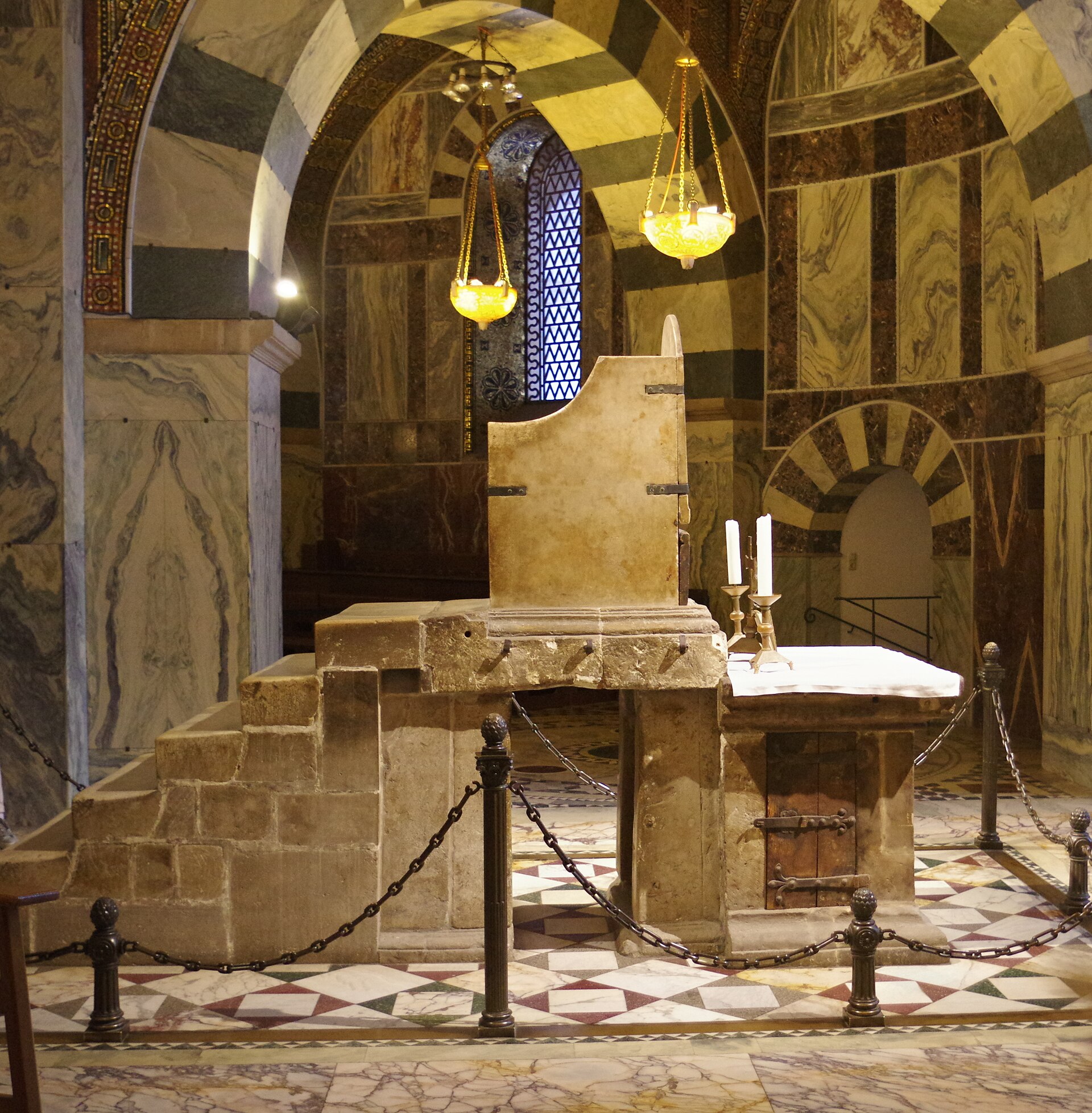
Elected King of the Romans in 1273 and crowned at Aachen. Defeated Ottokar II of Bohemia on the Marchfeld in 1278 and granted Austria and Styria to his own sons in 1282. The point at which a Swiss county becomes a European name.
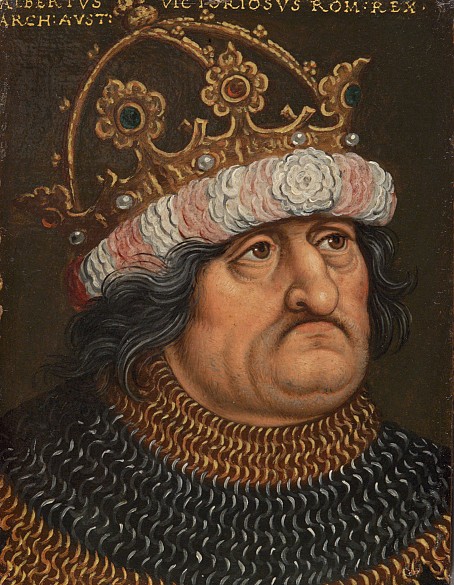 9Albrecht I1255 – 1308
King of the Romans. Murdered by his own nephew on the bank of the Reuss, within sight of the family’s old country. His widow Elisabeth founded the abbey at Königsfelden on the spot, which became the family’s mausoleum.
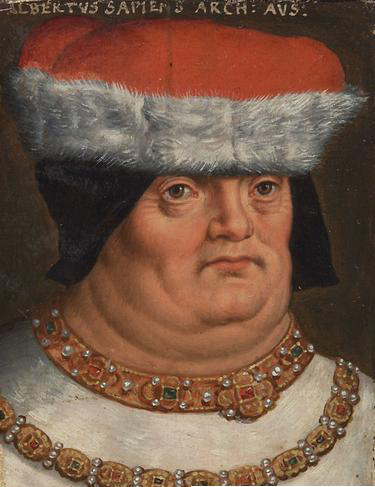 10Albrecht II1298 – 1358
Duke of Austria, called the Wise, and also the Lame.
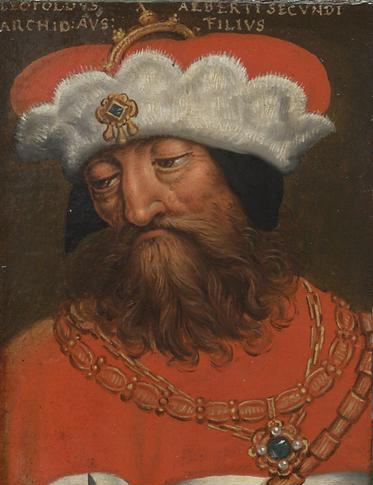 11Leopold1351 – 1386
Killed at Sempach on 9 July 1386, with much of his nobility, against the men of the Confederation.
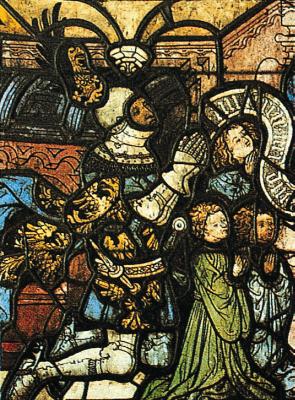 12Ernest1377 – 1424
Duke of Inner Austria, called the Iron.
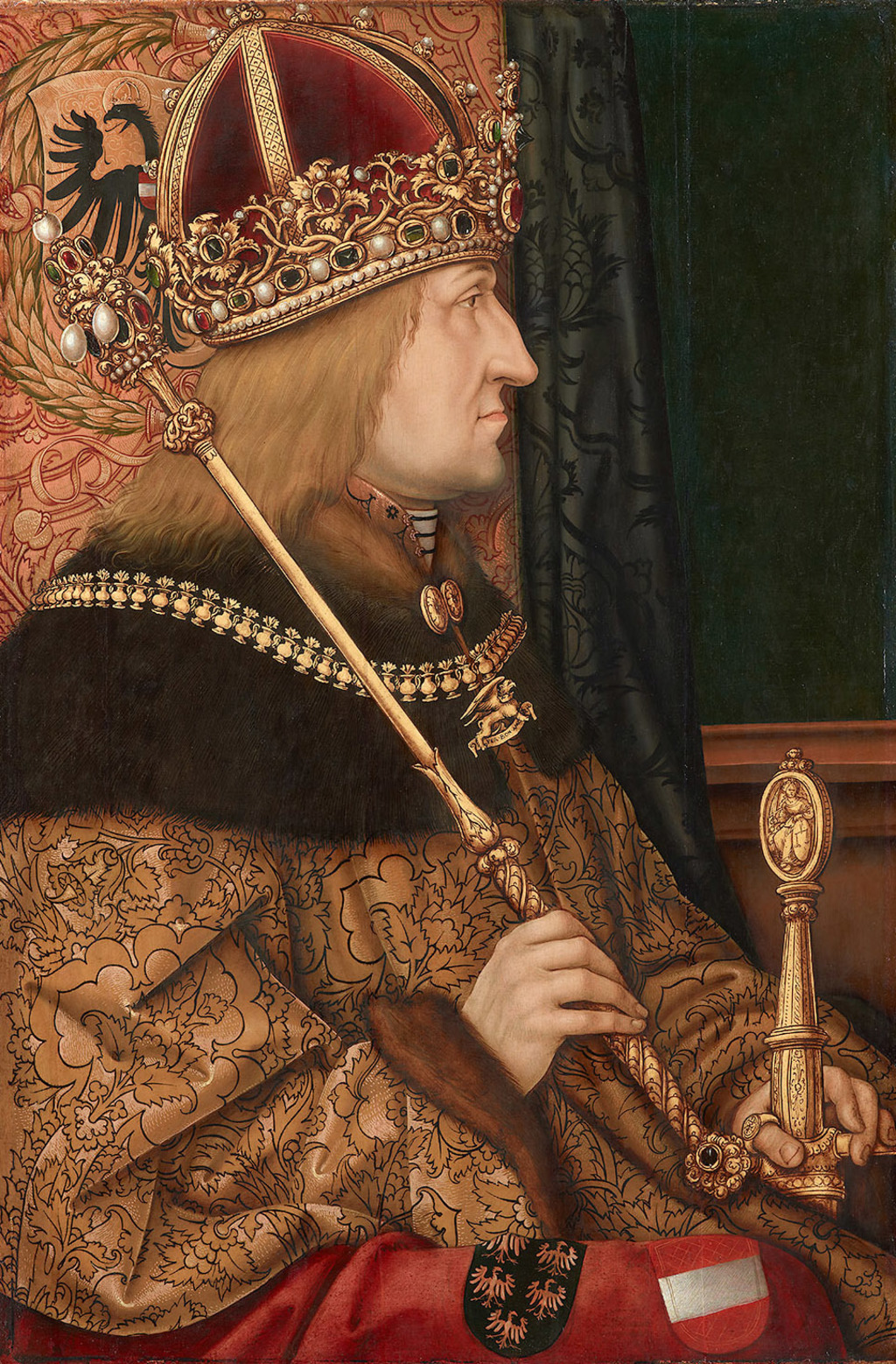 13Friedrich1415 – 1493
Frederick III, Holy Roman Emperor, and the longest reign of any ruler of the Empire — fifty-three years. Contemporaries found him slow and maddening. He outlasted every rival he had, and he understood that a marriage is cheaper than a war and lasts longer.
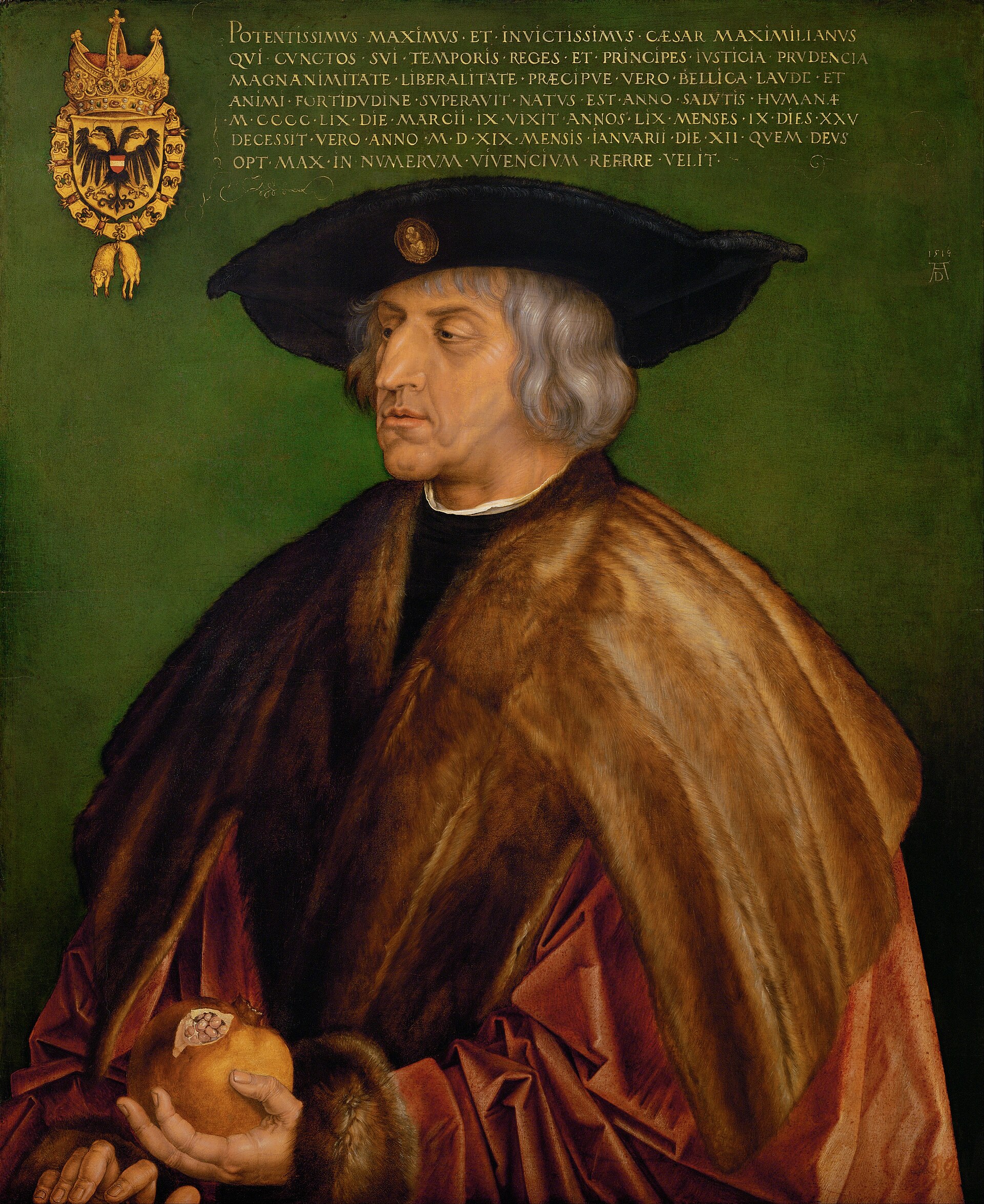 14Maximilian1459 – 1519
Married Mary of Burgundy at Ghent in August 1477 and brought the Low Countries into the house. Everything on this site after this point runs through that marriage.
Spain, the Netherlands, and the parting
1478 – 1578 · three generations at the height of the family’s reach, and then the division of the house into two.
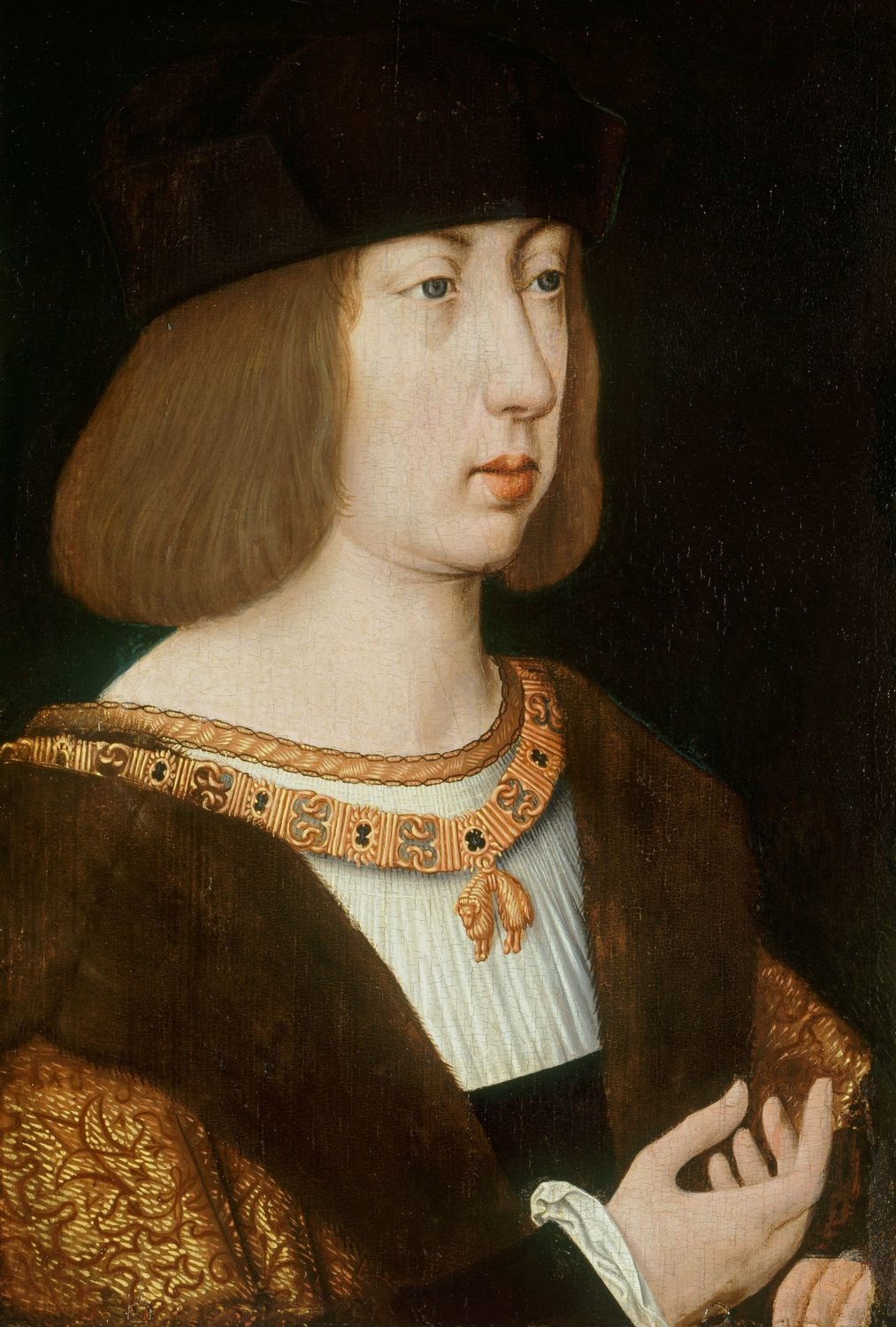 15Philip1478 – 1506
Called the Handsome. Brought up in the Netherlands and Burgundian by instinct. His marriage to Joanna of Castile in 1496 was aimed at France and nothing more; within eight years it had made a Habsburg king-consort in Spain. He died at twenty-eight.
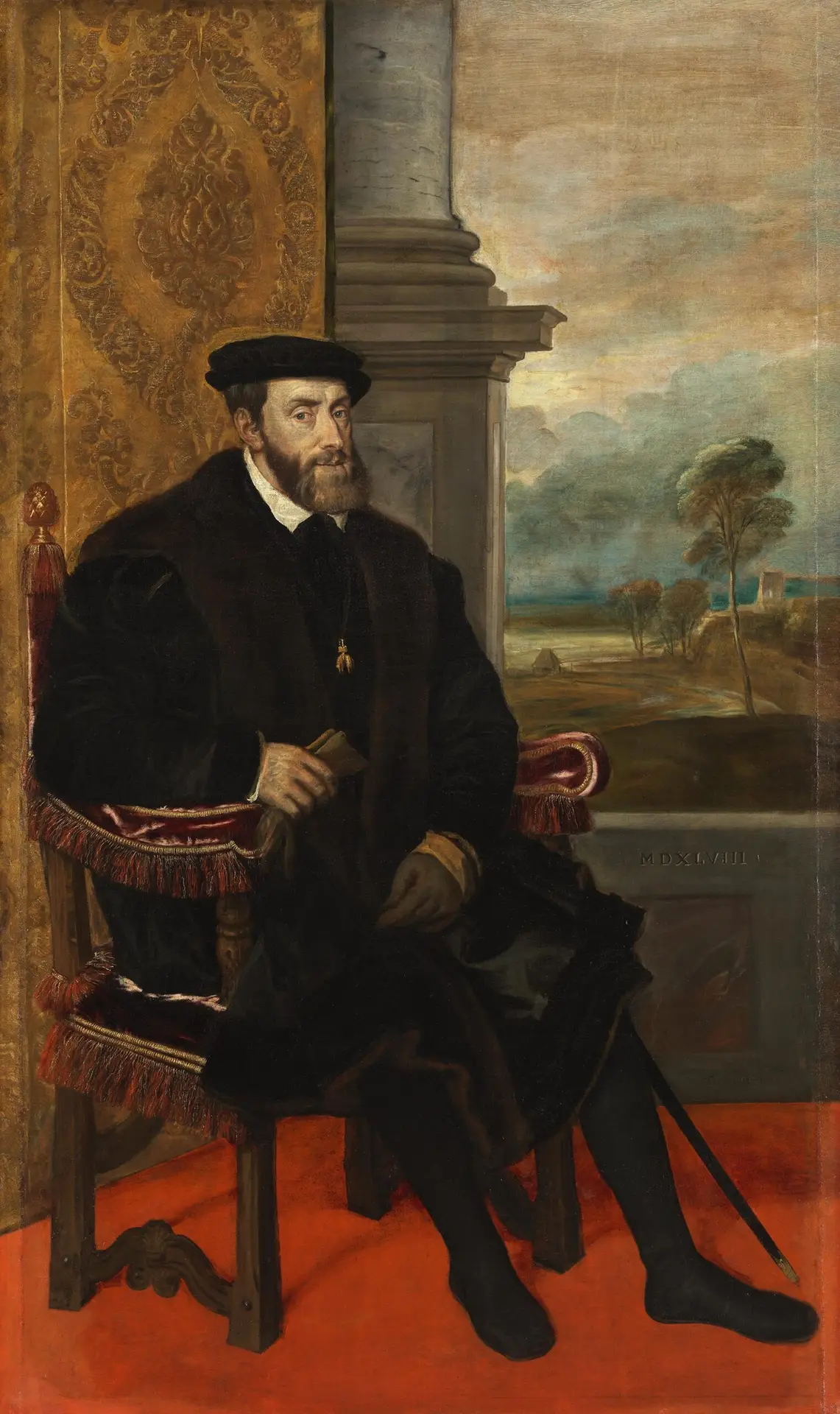 16Charles V1500 – 1558
Born at Ghent. Ruled more of the earth than anyone since Rome, and the last head of the house to rule on that scale. Between October 1555 and January 1556 he gave all of it away in pieces and retired to a small house beside the monastery at Yuste.
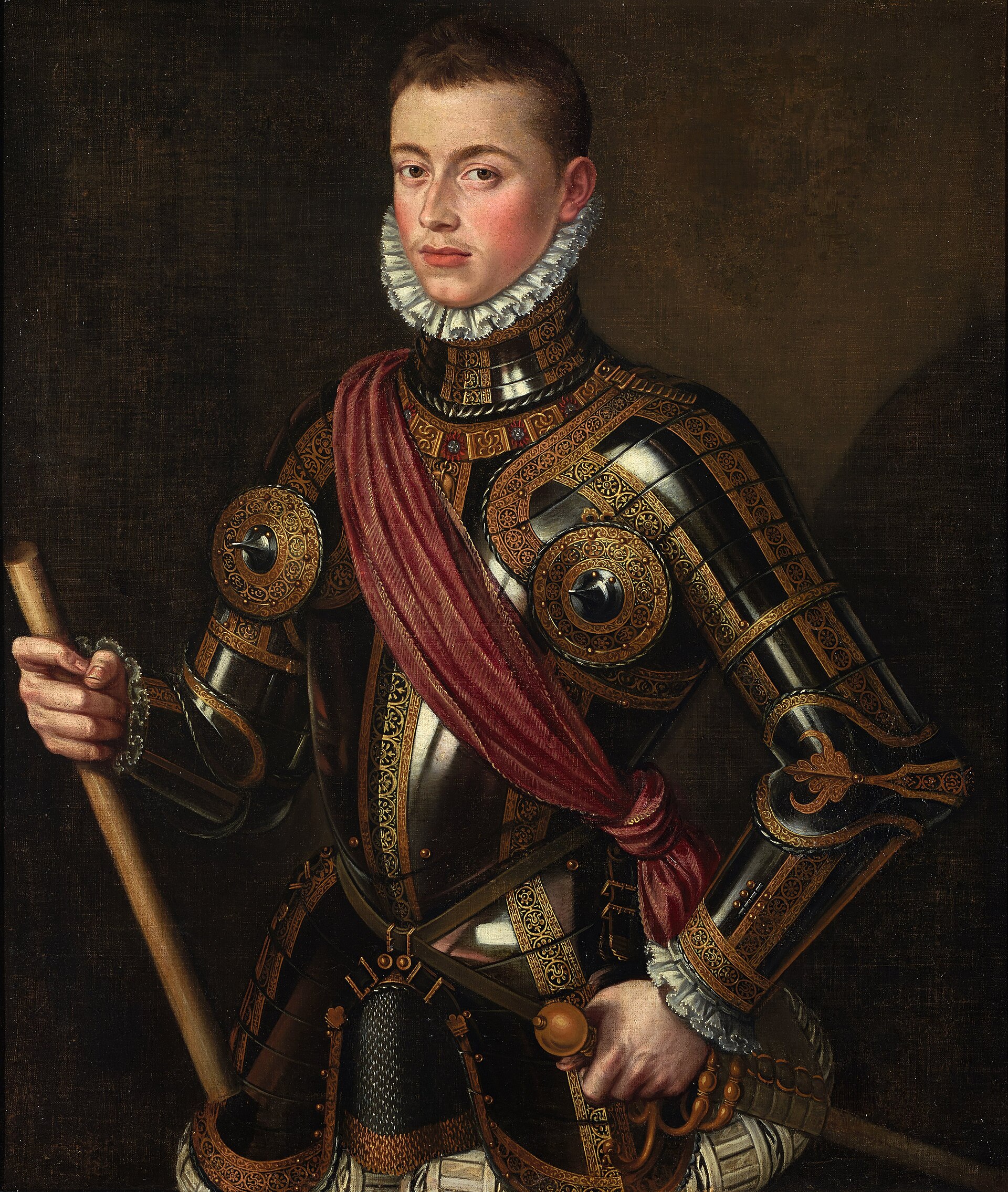 17John of Austria1547 – 1578
Acknowledged by the Emperor in his will, received into the House of Austria in 1559 and given its name. Commander of the fleet of the Holy League at Lepanto on 7 October 1571, and Governor-General of the Netherlands from 1576. He died near Namur at thirty-one. The line this family carries continues through him.
The quiet centuries
1576 – 1898 · eleven generations in the Low Countries, in a country where being noticed was not an advantage. The line does not break. It simply stops being written about.
- 18Johannesborn 1576
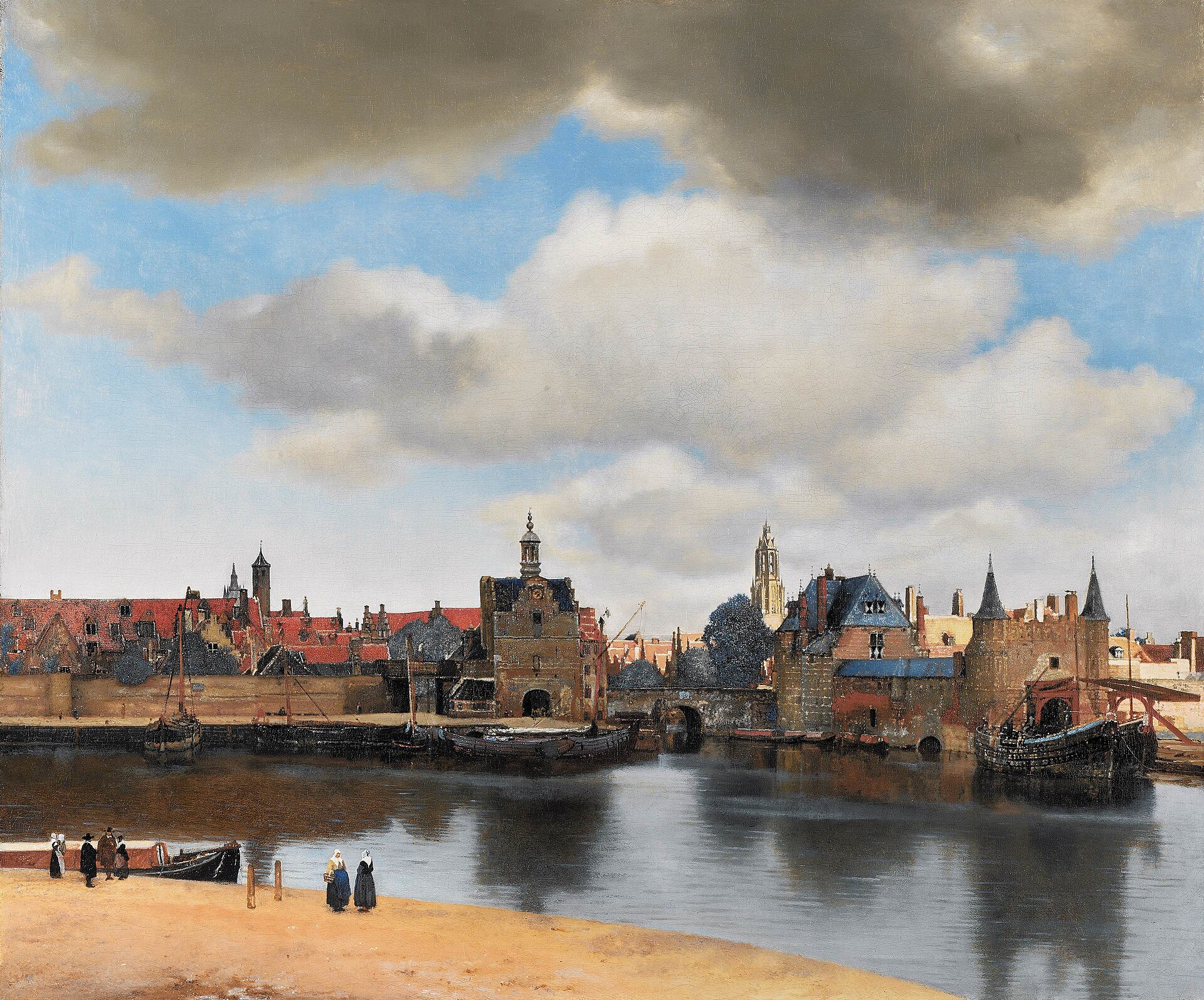
The line turns north here. The family’s own record gives Hillegond, born about 1563 at Leiden, as his mother. From him the family lived in the Low Countries, through eleven generations in which nobody had any reason to look for it.
- 19Harmenborn 1600
- 20Jan Harmenszborn 1630
- 21Klaas Janseborn 1700
- 22Janborn 1730
- 23Niclaas1757 – 1812
- 24Matthijs1802 – 1877
- 25Walig1845 – 1898
Living memory
1888 to the present day. Living members appear by first name and year of birth only, and without a photograph — a decision about privacy and about security, explained on the privacy page.
- 26Pieterborn 1888
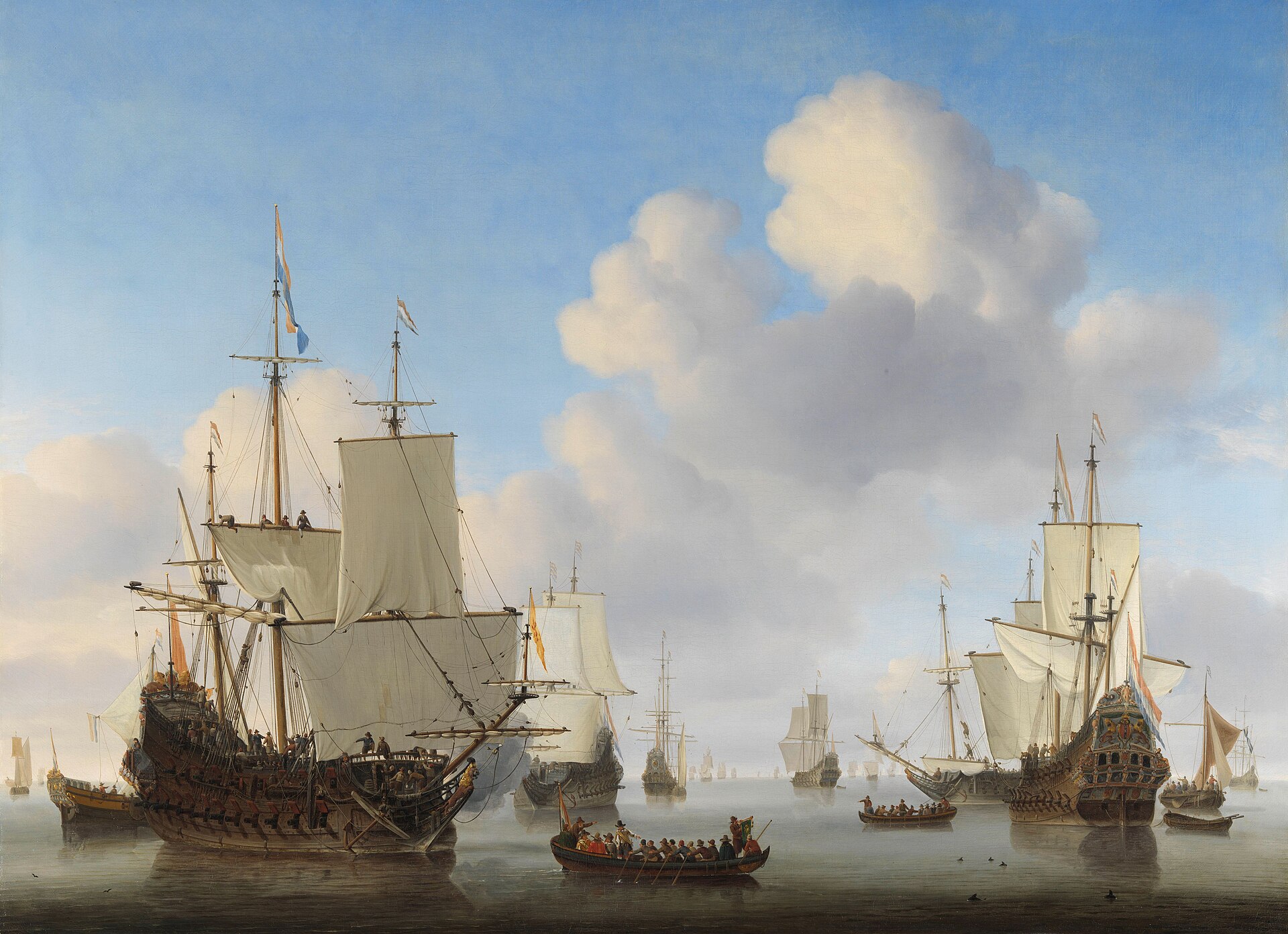
A ship’s captain, and for a time a captain with the Holland America Line.
- 27Pieter1912 – 2001
The last head of the house born before the First World War, and the first of whom the family holds a photograph.
- 28Johanborn 1942
The present head of the House.
- 29Krisborn 1970
Next in line.
- 30Kaiborn 2013
Prospective. The youngest of his generation, and the one in line by his grandfather’s decision rather than by age.
How this site handles the family, and its sources
No photographs of any living family member appear anywhere on this site, and no addresses, telephone numbers or email addresses of any family member are published here. Living members appear by first name and year of birth, and by nothing else. Where a member of the house is deceased and no likeness survives, a drawn medallion stands in its place, captioned as a drawing rather than passed off as a portrait.
Sources are named on every page that carries a claim. Crowd-sourced encyclopedias are used to find scholarship and never cited as a source of record: where one leads us to an academic work, we go and read that work and cite it instead.
The likenesses above are paintings and engravings held by public collections, and none of the earlier ones was made from life. A sixteenth-century portrait of a thirteenth-century king is a costume drawing with a name on it. We show them because they are what the record offers, and we would rather say what they are than leave you assuming.
- AncestryThe whole line, thirty generations, everybody on it — daughters included.
- Thirty GenerationsThe same line, walked one generation at a time.
Sources
- The family’s own record, held by Kris.
- Harold Steinacker, Regesta Habsburgica I (1905), for the documentary dates of generations 1 to 4.
- Acta Murensia, the house chronicle of Muri Abbey, twelfth century. Staatsarchiv des Kantons Aargau.
- Martyn Rady, The Habsburgs: To Rule the World (Basic Books, 2020).
- Sir William Stirling-Maxwell, Don John of Austria, 2 vols (London, 1883), for generation 17.
- Likenesses: Kunsthistorisches Museum Vienna, Museo del Prado, the Royal Collection and other public collections, via Wikimedia Commons. Each is in the public domain.